Impact Areas
Our impact spans utilities, transport, smart cities, agriculture, enterprise forecasting, and infrastructure monitoring. The case studies below are grouped into themes so similar projects can be explored together.
These projects show how data science supports participation, sustainability, and productivity across communities and agricultural systems.
Building a data-driven talent pipeline for community cricket
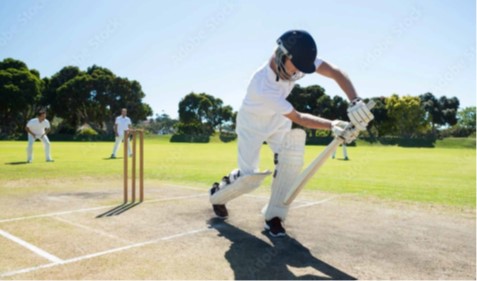
In 2022, Cricket NSW and the UTS Data Science Institute (DSI) launched the Player Journey Intelligence Project to better understand why some players keep swinging for the fences while others walk off the field for good.
Drawing on seven years of community cricket data, DSI researchers developed clustering models to describe the behavioural patterns of community players and to identify the drivers that keep both kids and adults playing.
Revolutionizing Carbon Management in Australian Rangelands: The Rangeland Carbon Project's Innovative Solutions
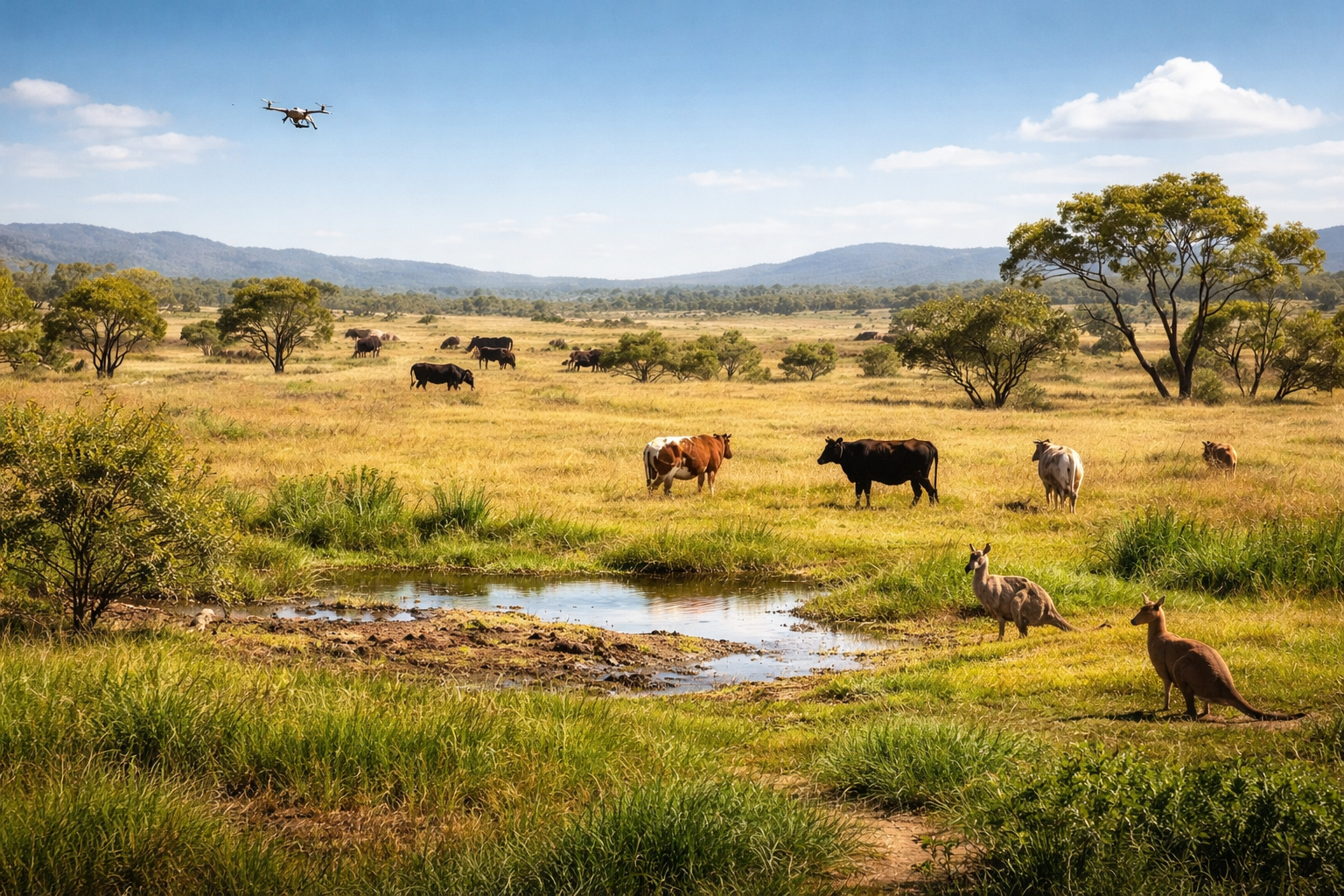
Our client, the Australian Agricultural Company (AACo), is a renowned and pioneering beef company with a substantial presence in Australian agricultural landscape. Recognizing the importance of sustainable practices and the imperative of carbon sequestration, AACo has encountered the challenge of enabling rangeland farmers to actively manage carbon within soil and vegetation. This aims to enhance enterprise profitability, sustainability, and resilience, all while responding to market demands and meeting carbon targets. Furthermore, the task of measuring soil and vegetation carbon across extensive rangelands, which constitute 75% of Australia's landmass, can incur exorbitant costs. Even with access to this data, comprehending management options and sequestration potential remains elusive. This challenge has spurred the initiation of the Rangeland Carbon Project.
Through this initiative, we have devised innovative solutions that are not only accurate but also cost-effective for estimating landscape carbon levels over time in Australian rangelands. Leveraging advanced technologies such as machine learning and geoanalytics, we (UTS) accurately estimate carbon stored within woody vegetation and soil using remote sensing data and aerial photographs. These approaches significantly reduce the expenses associated with carbon measurement across vast geospatial areas over time. Additionally, our analysis provides insights into sustainable management practices on rangelands that not only enhance productivity but also accelerate soil carbon sequestration. This creates a mutually beneficial scenario for both farmers and the environment. All these methods are seamlessly integrated into an accurate and cost-effective tool for remotely measuring soil and vegetation carbon levels in Australian rangelands.
Artificial intelligence for agriculture

In 2020, farmers in New Zealand produced about 622,550 metric tonnes of kiwi fruit3 that's more than 20,000 40-foot shipping containers filled to the brim with this sharp, sweet, strange-looking fruit. But, while the fruit itself is abundant, inaccurate forecasts about the future yield and crop size of individual harvests come at significant financial cost to the global kiwifruit industry.
In partnership with kiwifruit marketing company Zespri International, Australian agritech start-up The Yield Technology Solutions was urgently seeking a solution and they had an inkling that data science might hold the key.
Explainable AI for Vineyard Monitoring and Yield Intelligence
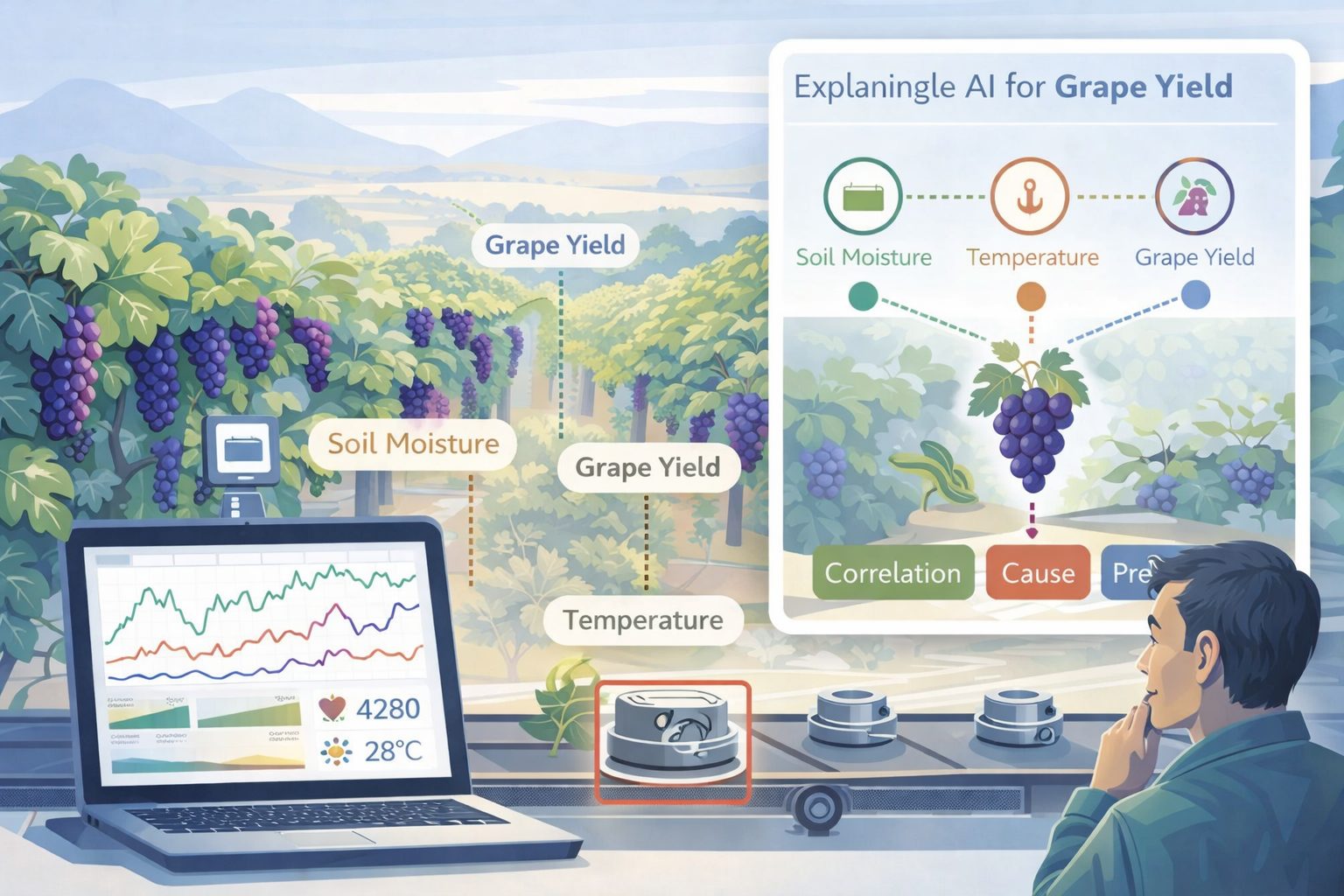
This project developed explainable AI methods for vineyard monitoring and grape yield intelligence. The work focused on building machine learning models that not only improve predictive performance but also provide interpretable insights into the relationships between environmental conditions, crop growth, and yield outcomes.
By strengthening transparency and model understanding, the project supports more reliable and actionable AI use in precision viticulture, helping growers and analysts turn model outputs into operational decisions with greater confidence.
Multi-Source Data Intelligence for Precision Agriculture
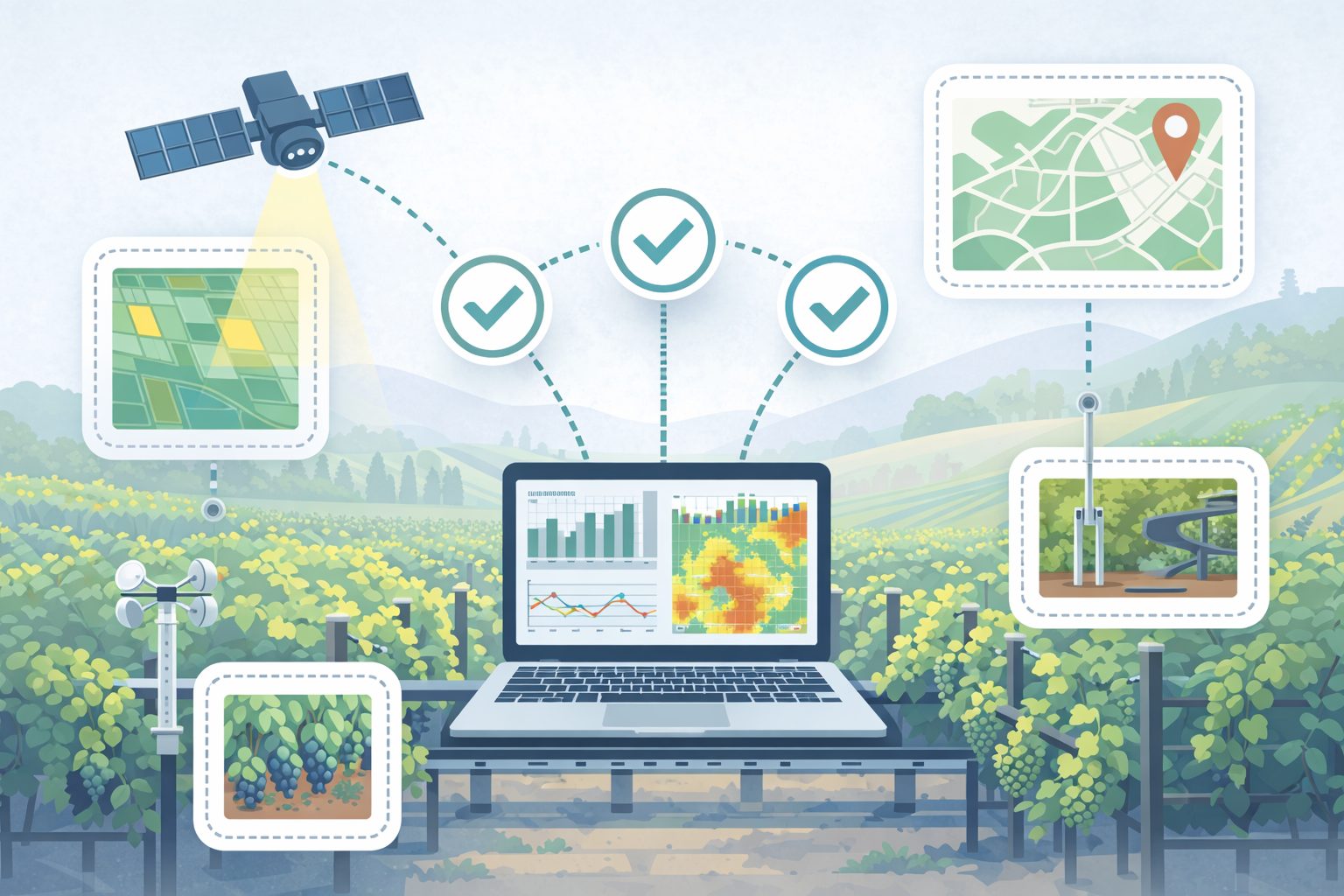
This project built a machine learning framework for precision agriculture centred on the integration of diverse data sources, including satellite imagery, ground-based images, shapefiles, sensor data, and historical records.
By developing a multimodal data alignment and preprocessing pipeline across multiple spatial levels, the project significantly improved data consistency, modelling efficiency, and deployment readiness for agricultural forecasting and decision support.
These impact cases focus on city-scale intelligence, digital twins, and planning tools that support better urban decision making.
Second Generation of Digital Twins
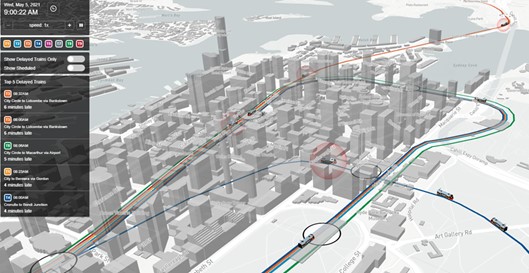
We have built a Sydney Real-Time Digital Twin Platform, aiming at being the second generation of Digital Twin models for smart cities integrating multiple data sources such as: 3D city model with top layers including real-time public transport movement, transport simulation for incident scenario management in real-time, water pipes layout and IoT sensing data transmission, air quality and car parking real-time transmission, etc.
Digital Twins are powerful tools for operation planning, incident management and asset management. While most Digital Twins worldwide are static (operating at maximum level 2 of maturity), our Sydney Digital Twin model provides an uplift in its power of real-time analytics and deep learning prediction, which raises its functionality to Level 4 of maturity. To the best of our knowledge, this is the first real-time and AI-powered Digital Twin of an Australian city. Our approach represents a powerful step ahead of integrating artificial intelligence with spatial and temporal modelling to improve decision-making and optimise the cities we live in. The innovative aspect of our Sydney Digital Twin consists in its unique combination of 2D, 3D spatial modelling, real-time train movement information, water pipe and IoT sensing information, incident management simulation modelling as well as air quality real-time monitoring.
Precise Population and Housing Estimation for Regional NSW/VIC
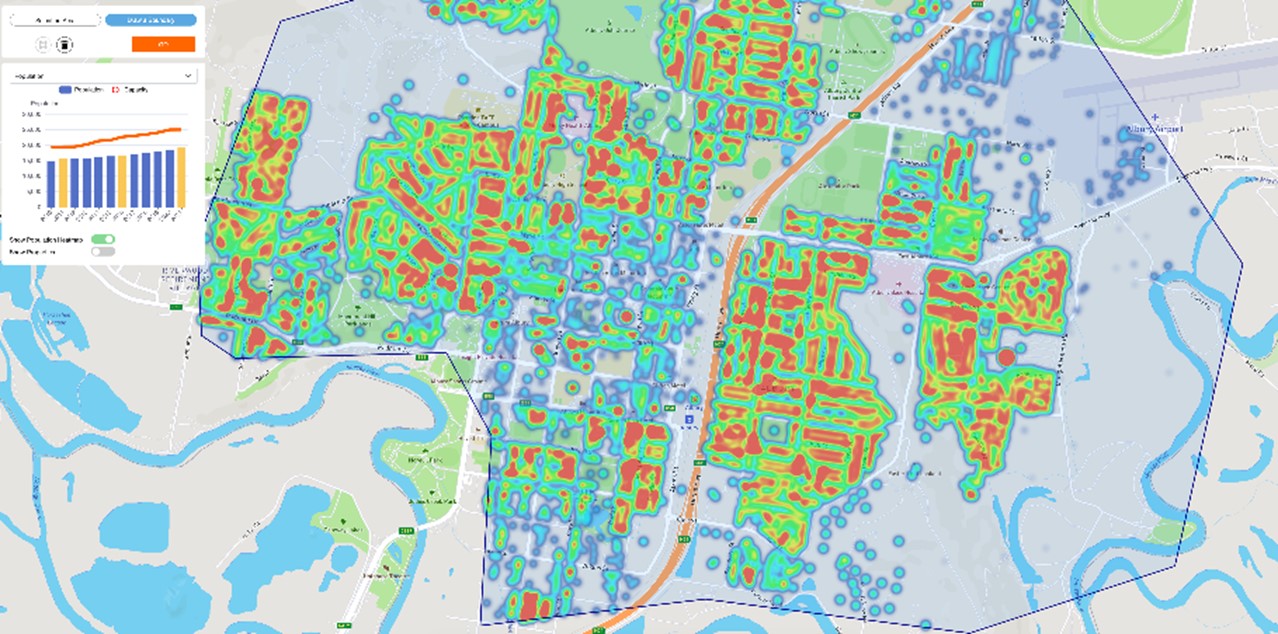
The population of immigrants changes residential distribution and dwelling needs drastically. However, the published census data cannot catch the change, temporally or spatially. The census data, published by Australia of Beare Statistics, can show the population by region every five years. It does not give information for further granularities, so when we need to know the situation of an arbitrary region, we cannot apply the data for precise estimation. Furthermore, the region setting changes yearly, creating more data inconsistency between regions in different years. All these issues hinder the precise analysis and decisions on a development plan.
With machine learning, though, we can interpolate the population or other census indicators for any customised regions, including prediction cross-over regions with known populations or indicators nearby and forecasts for the future. Our web services provide an interactive function for the user to crop an any-shape polygon, and then we will show up all the related information designed for the cropped region. These can be the population number, distribution as a heat map, the existing dwells, and expected maximum capacity for households and individuals. We can offer the correlation between population and housing to indicate the housing pressure in the region of interest. This information is highly precise compared to existing ABS data and most in-the-market population products.
Urban Rent Intelligence and Market Forecasting
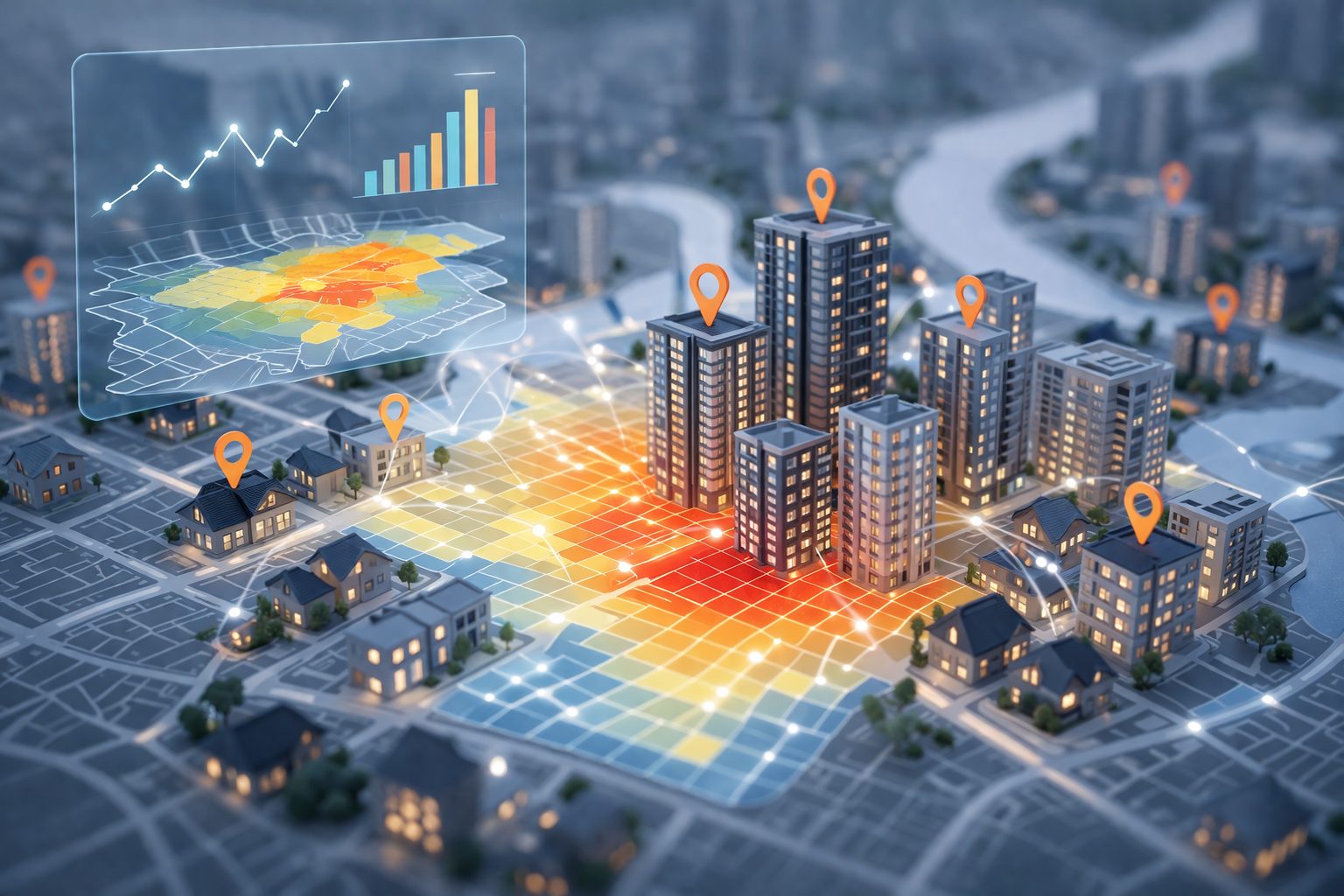
This project advanced rental estimation from static property-based modelling toward dynamic, market-aware forecasting. By combining spatio-temporal market patterns with property-level information, the work improved robustness, stability, and generalisation across regions.
The resulting framework provides a scalable analytical foundation for housing analytics, valuation modelling, and urban decision support in fast-changing property markets.
Intelligent Infrastructure Analytics and Digital Twin

This project explored the use of AI and advanced data analytics to enhance large-scale infrastructure monitoring, asset visibility, and system-level decision support.
Through the integration of heterogeneous operational and infrastructure data, the work provides a scalable analytical foundation for intelligent infrastructure capability and future digital twin development.
This group covers rail performance, timetable design, passenger analytics, and smart parking projects for more resilient mobility systems.
Improving Train Network Operation Performance via Machine Learning Techniques
UTS and Sydney Trains have successfully applied advanced machine learning techniques to develop a timetable robustness evaluation model. The model can assess timetables and response plans to ensure that that timetables/response plans are operationally robust and resilient. The outcome of this application of the intelligent timetable evaluation technology significantly reduces delay-caused losses and increases the operation efficiency, enables the train operating system to meet performance metrics and recover from incidents.
The outcome of this application of the intelligent timetable evaluation technology significantly reduces delay-caused losses and increases the operation efficiency, enables the train operating system to meet performance metrics and recover from incidents. This work shows train operating companies that they can produce highly detailed and granular information to develop targeted timetable design and real-time scheduling strategies. This translates to improved railway network reliability and service to customers, and a reduced cost to serve. The proposed model is a generic model that can be easily applied to other traffic scenes with subtle refinements.
Data Analytics for Smart Parking for Mornington Peninsula Shire
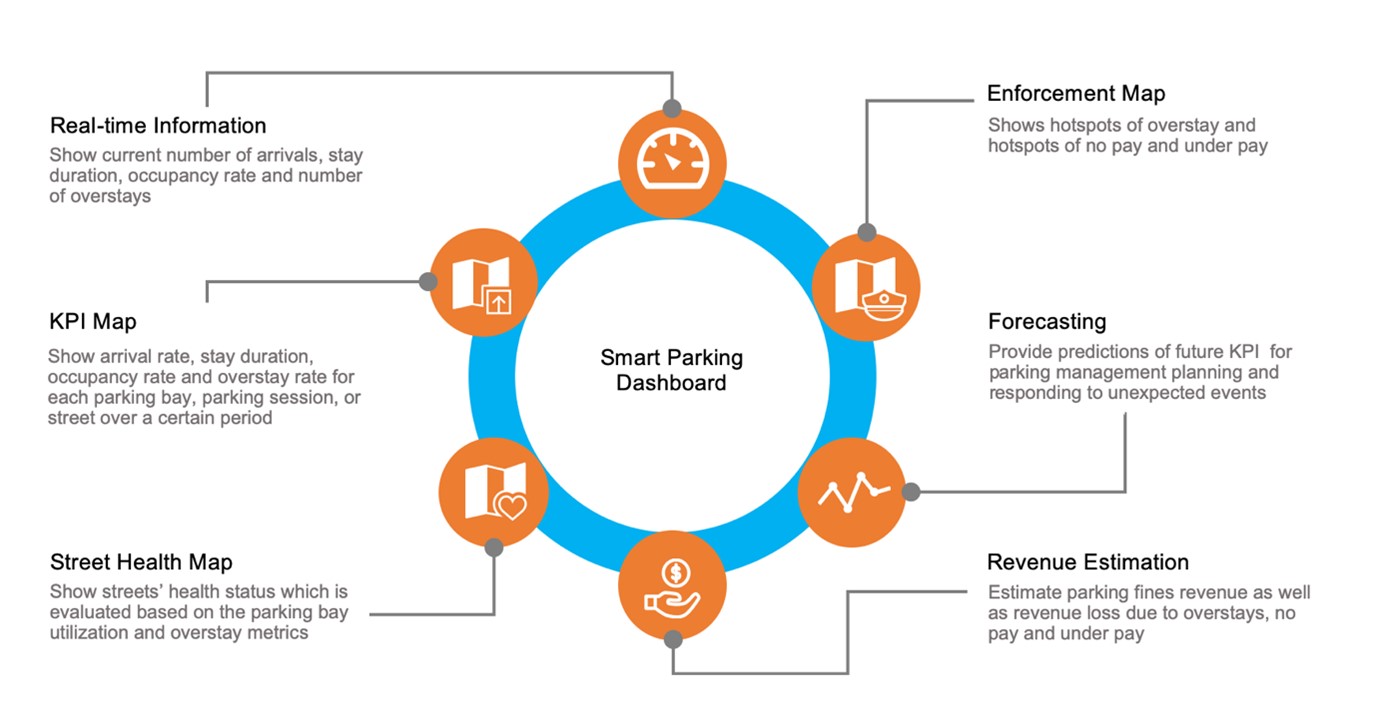
Smart parking solutions have become one of priorities in smart city projects. The major benefits of smart parking include decreasing traffic congestion, reducing energy consumption and reducing car emissions. With over 6.1 million of tourists to the Mornington Peninsula Shire annually, the council faced increasing challenges to provide both visitors and residents with a quality and fair parking experience. To meet those challenges, more than 700 in-ground and camera car parking bay sensors were installed in Rye and 100 in-ground sensors were installed in Mornington.
During the trial periods, we worked with the council on a data analytics project to discover parking behaviour patterns and predict the impact of parking-sensor-based parking enforcement. The occupancy and overstay patterns discovered in the project are helpful for the council to understand parking behaviours and improve the efficiency of parking enforcement in the trial areas.
Train Performance Analysis and Prediction
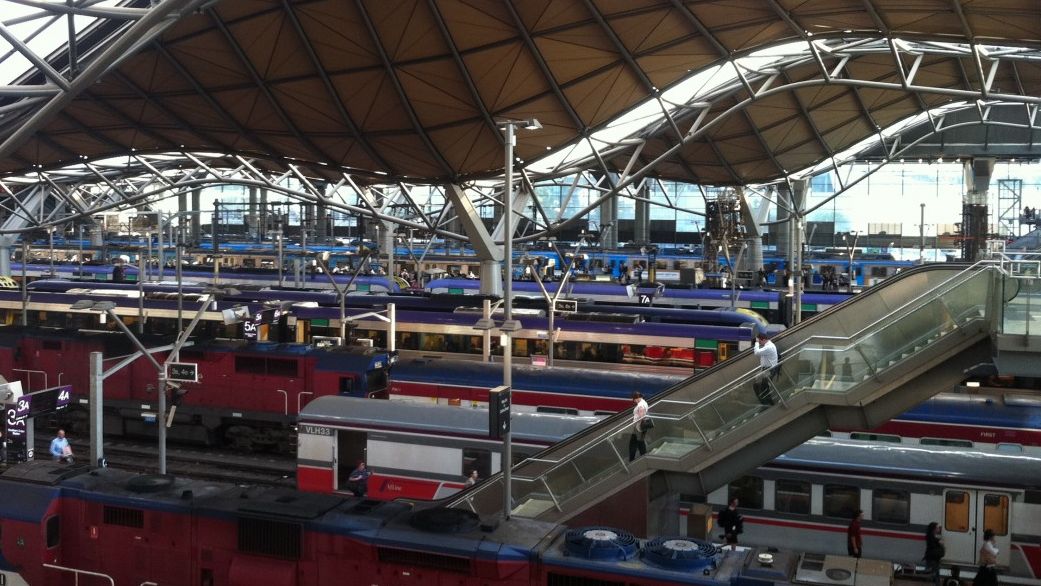
Trains are an important means of transportation which serve millions of residents in mega cities. In order to keep the operation running smoothly, the performance of trains, such as punctuality and fuel efficiency, need to be reasonably predicted beforehand. The operator can then carry out timely adjustments on train operation, for example, changing timetable to prevent further delays, planning maintenance to reduce faults, and giving extra time for overcrowded stations.
The solution is built on innovative machine learning techniques including retrieval techniques, ensemble models, monitoring system, and continuous evaluation. The platform can aggregate different types of data sources in an agile manner with minor data format adjustments and provide more insights for hypotheses suggested by experts or knowledge discovered by additional data.
Train Timetable Evaluation

Trains play an increasingly important role in keeping a city moving and achieving urban sustainability. The train timetable should be evaluated regarding its punctuality, reliability and robustness before implementation. This project utilises a wealth of historical train performance, customer and incident data to evaluate a timetable and help create more robust timetables.
We solved the problem by integrating comprehensive data sources, identifying insights and patterns and developing advanced evaluation models using cutting-edge machine learning techniques including deep learning, ensemble learning and computer vision. The outcomes enable clients to evaluate a timetable effectively in several minutes.
CCTV Footage Analysis for Real-time Passenger Flow Estimation
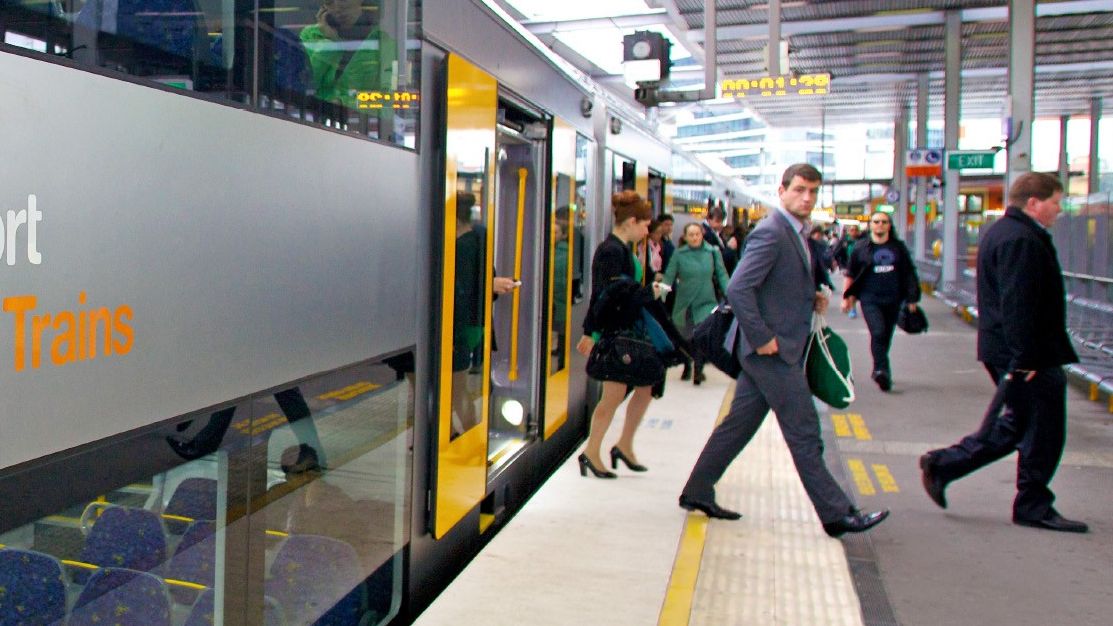
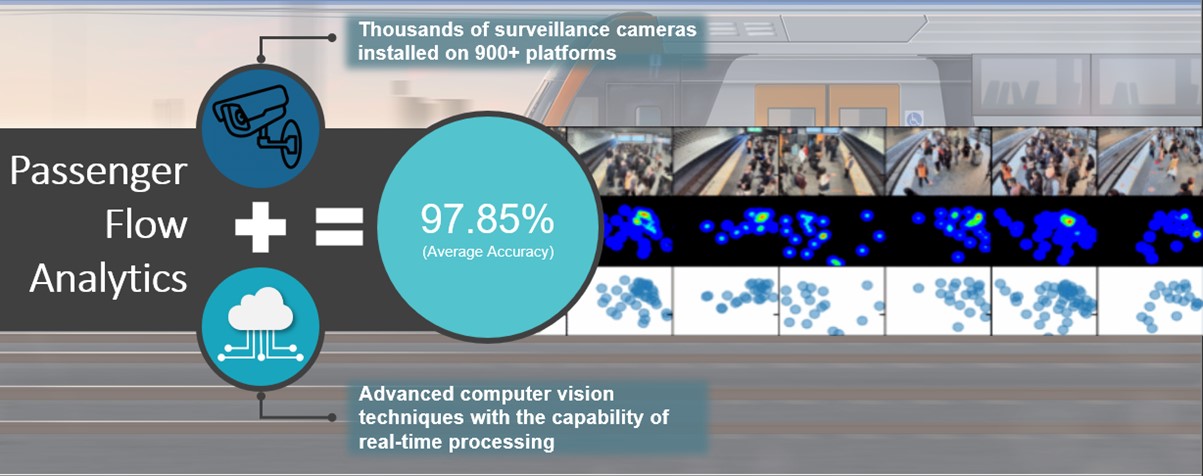
With increasing demand for public transportation, transit agencies are challenged with a higher volume of passenger flow and longer queuing lines at stations. Railway passenger flow data can be used for planning facilities, train scheduling and other planning. It is very important to schedule train timetables properly so that they meet increasing passenger demand.
We developed real-time object detection and tracking models based on advanced computer vision techniques using installed cameras in stations. These solutions help train controllers and managers better understand passenger demand at a given station and better schedule future train timetables.
Data-Driven Bus Impact Evaluation Tool for Major Road Incidents
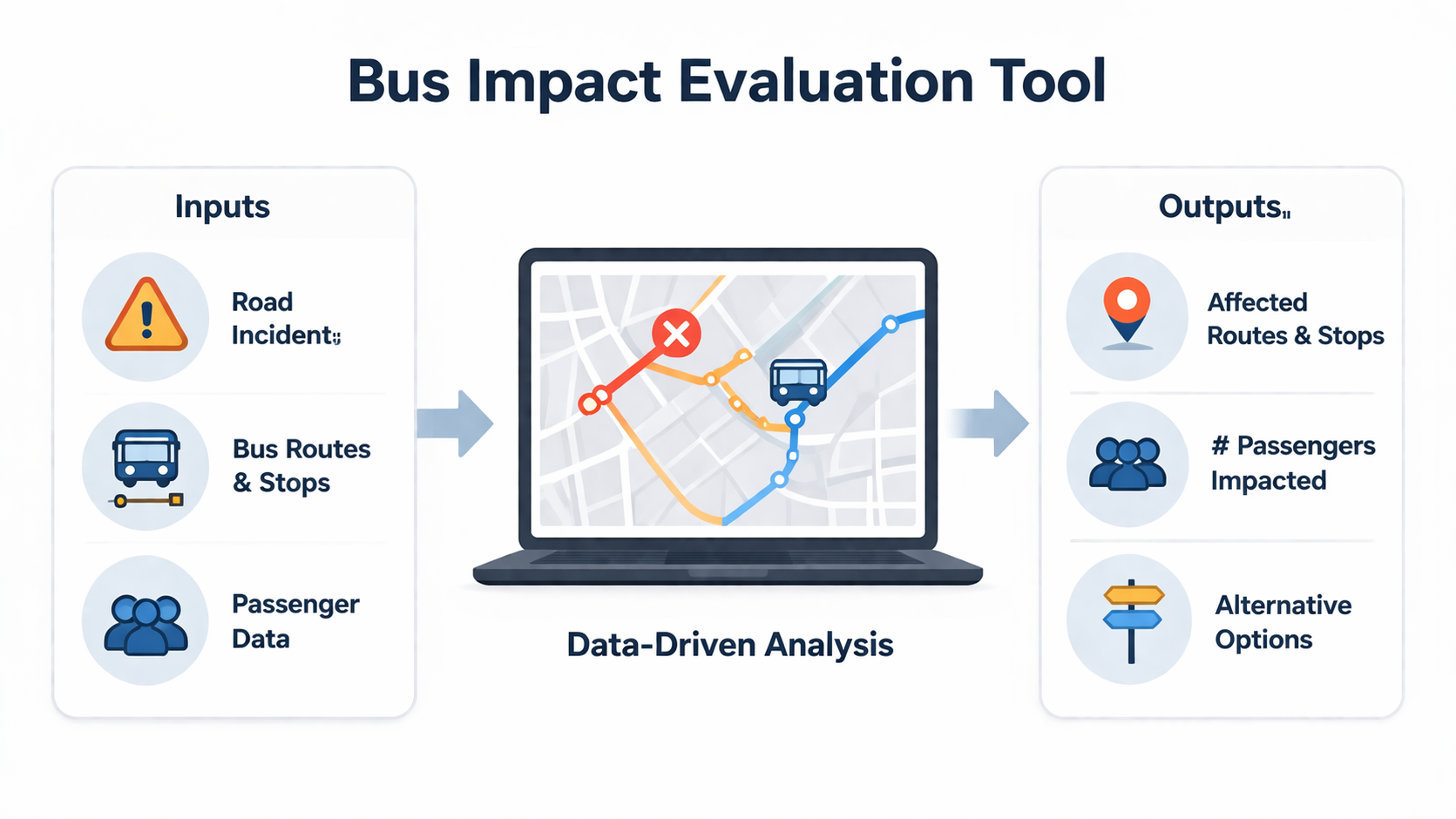
Major road incidents such as accidents, closures, or severe congestion can disrupt bus services and cause significant delays or cancellations for passengers. At present, understanding which bus routes and stops are affected often requires pulling information from multiple systems and manually checking details, which takes time during already critical situations. This makes it difficult for transport operators to quickly understand how many passengers are impacted and what actions are needed to minimise disruption.
This project delivers a data-driven tool to support faster and more informed responses to major road incidents. By combining road network data, bus route information, and historical passenger data, the tool can quickly identify affected bus routes and stops, estimate the number of impacted passengers, and highlight nearby alternative transport options. Through an interactive map-based interface, the tool brings key information together in one place, helping decision-makers respond more efficiently and reduce the overall impact on passengers during disruptions.
Smart Parking Occupancy Prediction
Smart parking management based on sensors and real-time data can save drivers' time in finding parking spaces, optimise the usage of parking spaces and support operational staff to monitor and manage parking resources. However, installing sensors at all parking spaces is expensive and inefficient. This project develops a prediction model for parking space occupancy rates using machine learning techniques.
Our model learns patterns via historical occupancy records and estimates occupancy for spaces without sensors. It considers location and regulation information, historical parking events, and parking payments to output accurate occupancy rates at any time.
These projects focus on water quality, leak detection, corrosion, network optimisation, and predictive maintenance across utility systems.
Enhancing Water Quality and Resilience with Data-Driven Innovation
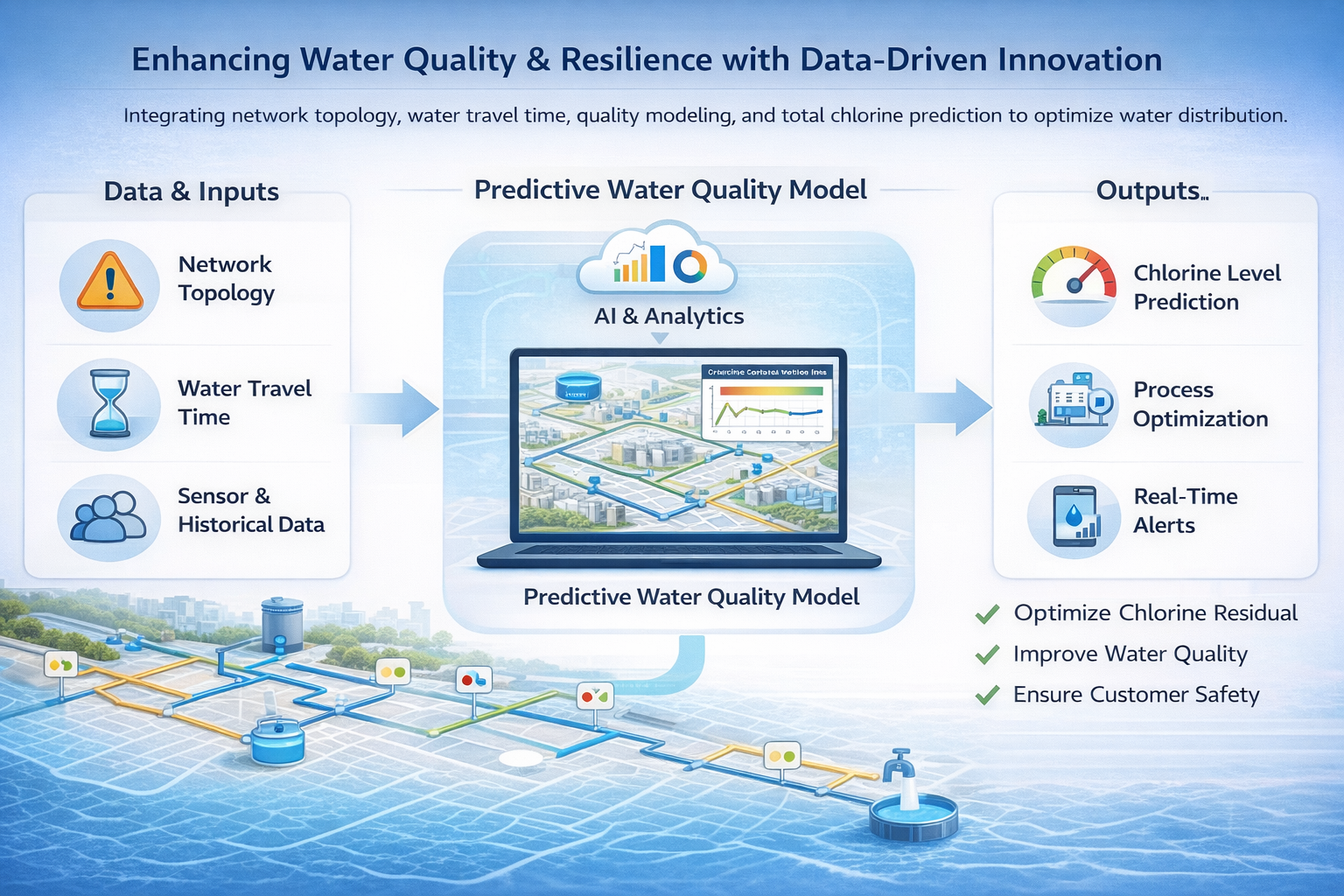
Maintaining water quality throughout the distribution system to the customers tap stands as one of the most formidable challenges faced by water utilities. This project seeks to identify and implement opportunities to optimize process control and monitoring feedback, resulting in greater consistency in total chlorine residual across the water distribution network.
The solution encompasses network topology modelling, estimation of water travel time, water quality modelling, and total chlorine prediction. By integrating these components, a comprehensive prediction model for water quality has been developed.
Harmony Flow Sydney Water's Pioneering Leak Sensing and Prediction Integration
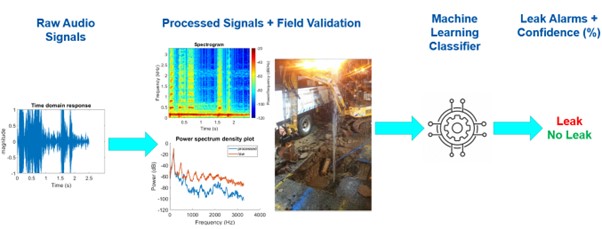
In the realm of water management, the silent challenge of leaks and breaks echoes across global water networks, disrupting communities and causing immense water loss. Sydney Water, in collaboration with the UTS Data Science Institute and UTS Robotics Institute, embarked on a transformative journey to tackle this challenge.
Over the past two years, Sydney Water and DSI demonstrated world-leading capabilities by adapting acoustic sensing to target non-surfacing leaks. The collaboration spans 270 semi-permanent and a variety of lift-and-shift acoustic sensors deployed across CBD areas and pressure zones.
Empowering Water Utilities: Revolutionizing Raw Water Quality Management
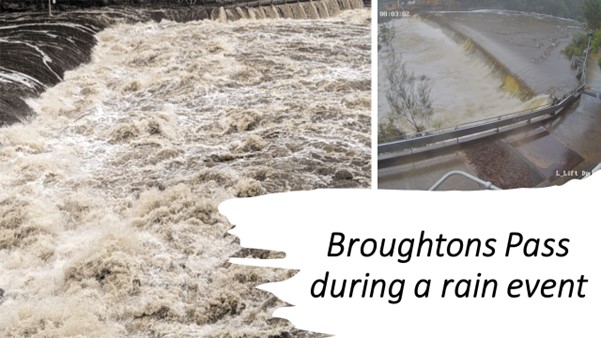
In an era of escalating climate uncertainties, extreme weather events wreak havoc on water quality in catchments and reservoirs. The urgent need was clear: a solution to quantify the impact of climate change-induced extreme events on water quality in real-time.
The collaborative initiative leveraged advanced machine learning methods to build predictive water catchment models for NSW and Victoria assets, incorporating weather and upstream effects to predict raw water colour, natural organic matter, and turbidity.
Predicting the Unpredictable: Sydney Water's Innovative Approach to Sewer Pressure Main Failures
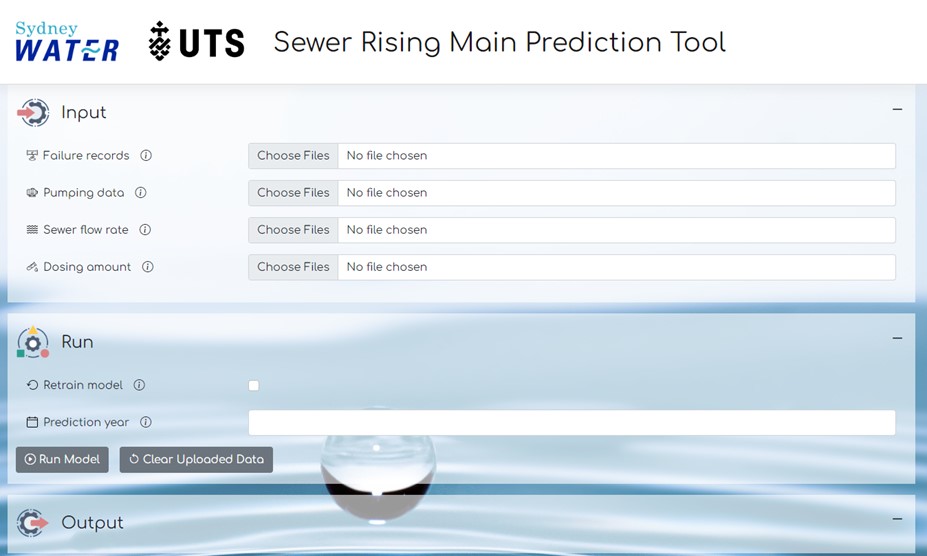
Sydney Water, managing over 790km of sewer pressure mains, faced a critical challenge: predicting and preventing failures in this aging infrastructure. In response, they partnered with DSI to develop an innovative, data-driven solution using XGBoost to forecast potential failures across the network.
This work integrates data-driven models with forensic engineering and robotic sensing, creating a proactive sewer management system with implications for minimizing service disruptions, reducing repair costs, and mitigating environmental hazards.
Unveiling the Future: Sydney Water's Innovative Approach to Tackling Sewer Corrosion
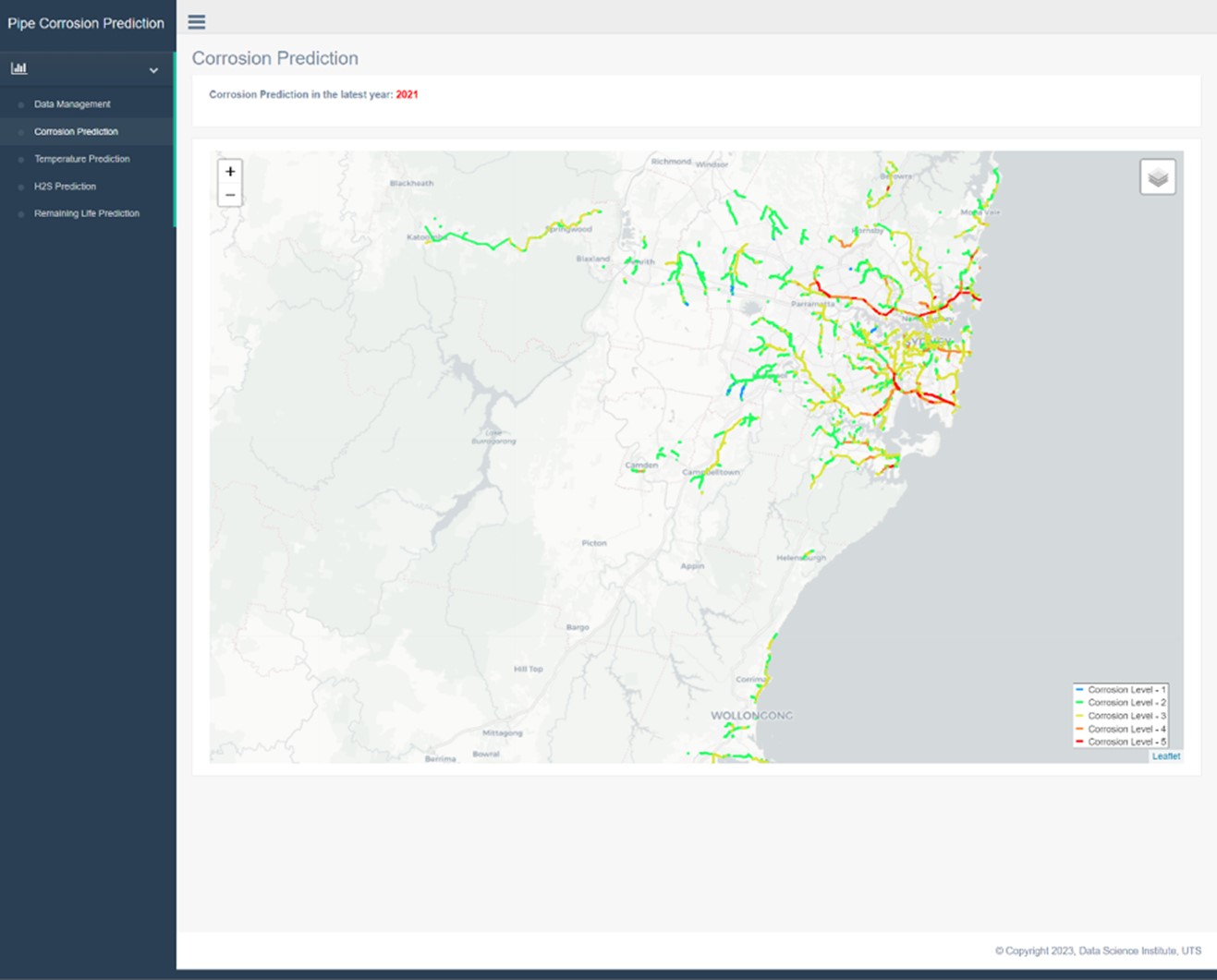
Sydney Water sought a revolutionary solution to combat the widespread and costly issue of corrosion in its extensive network of gravity concrete sewers spanning approximately 823 kilometers.
A collaboration between Sydney Water and UTS developed a state-of-the-art system to predict and address corrosion hotspots using a combination of machine learning models and robotic systems.
Intelligent Network Optimisation

Water utilities often manage water supply and demand for millions of properties. In this project, we developed new machine learning models for water demand forecasting, water quality modelling and dosing optimisation, which effectively predict water demand in the near future and define optimal strategies for chlorination.
New machine learning models are also being built to optimise energy usage, by balancing pumping regimes and costs while meeting water demand. All these models work together to optimise the water supply network.
Sewer Corrosion and Dosing
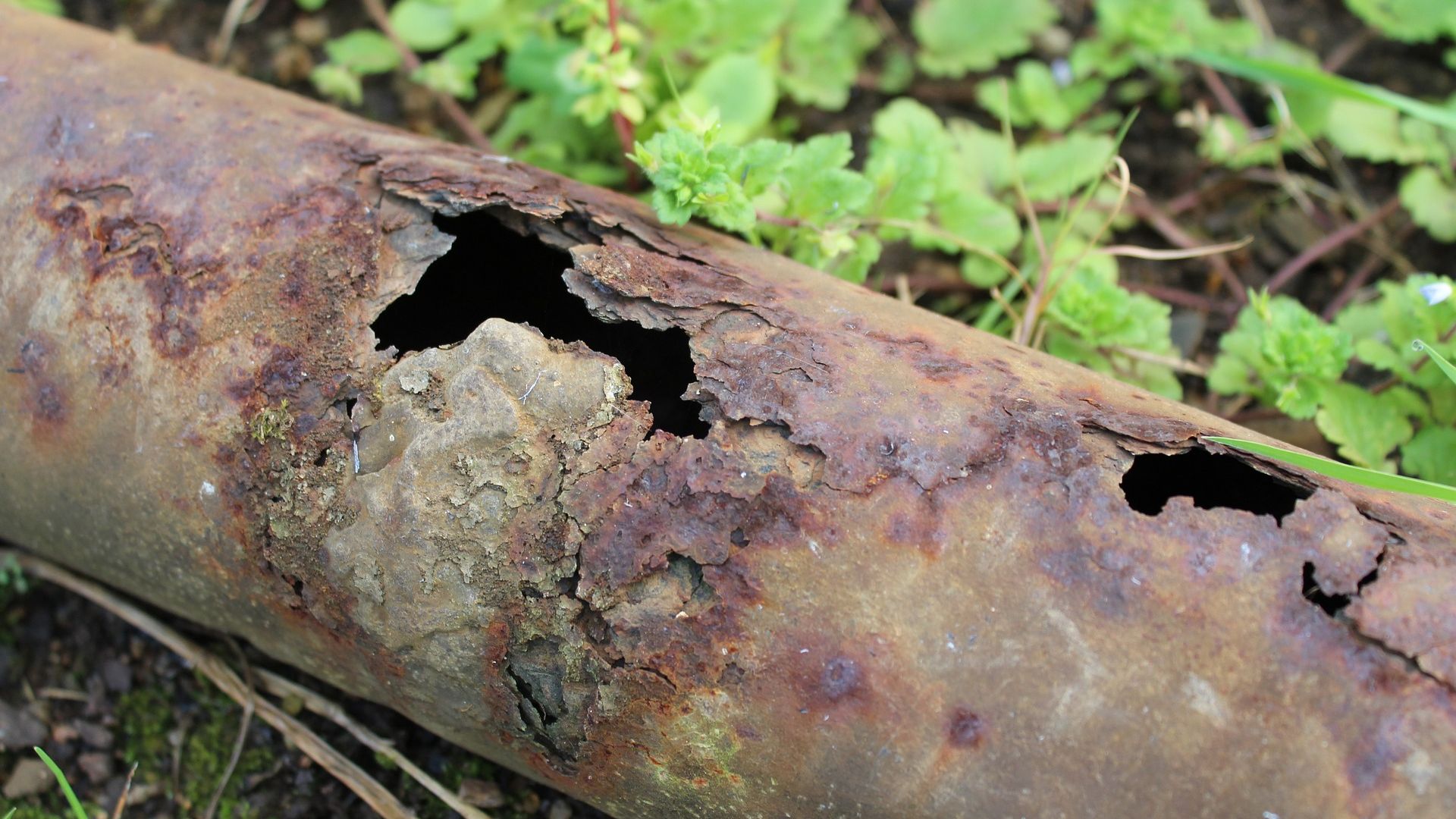
Sewer corrosion is a serious issue in wastewater systems for water utilities. In order to improve the dosing effect and save chemicals, chemical dosing profiles should be optimised according to dynamic factors such as H2S level and flow volume.
This project developed a smart toolkit consisting of sewer dosing analysis, H2S estimation and sewer corrosion prediction. It enhances the capability of Sydney Water teams by improving performance and investment in controlling H2S, managing corrosion and odour.
Development of Digital Twin Model Based on Physico-chemical And Biosensors to Estimate End-of Service Life of Sewers
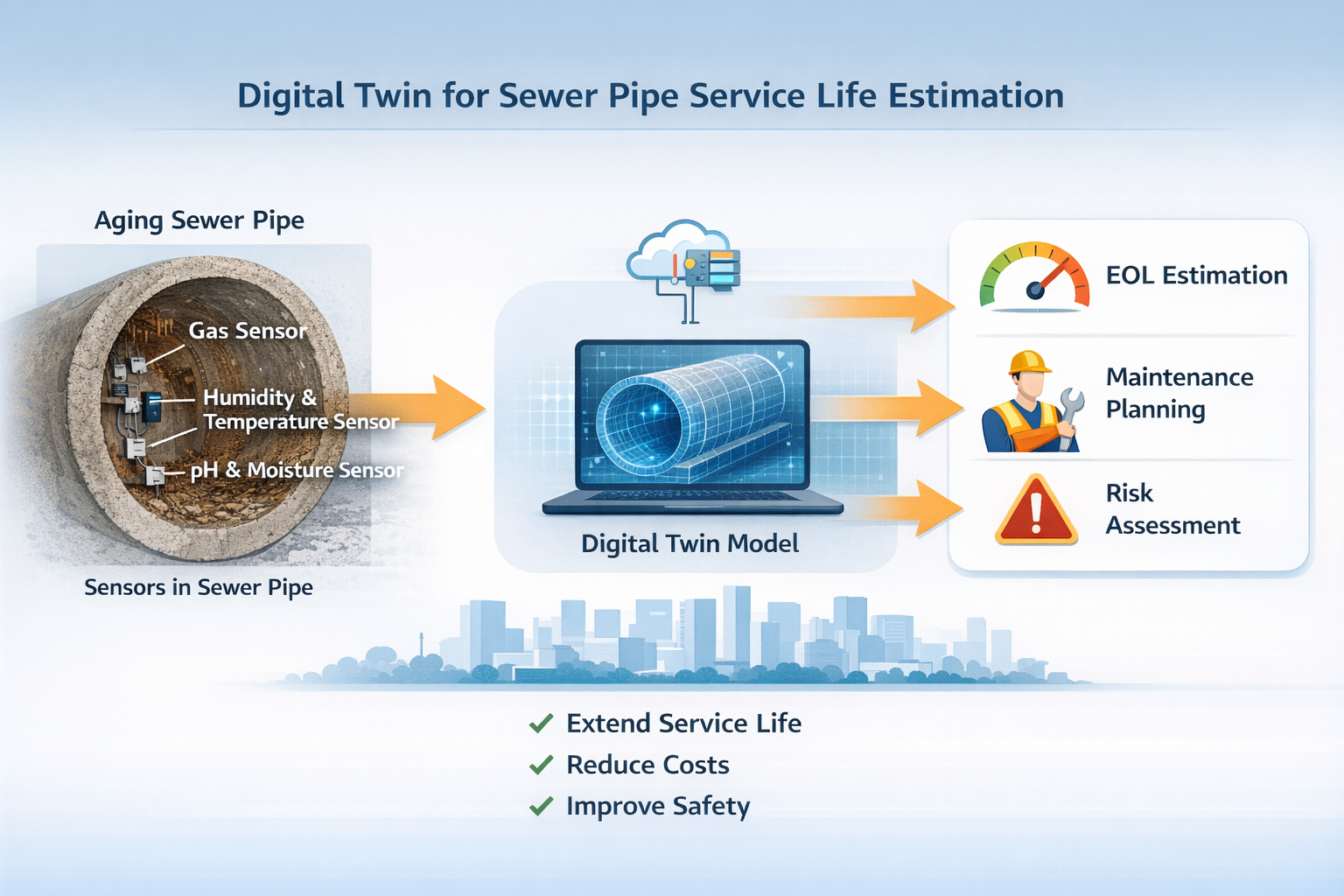
Concrete sewer pipes are essential to modern cities, but many are ageing and slowly deteriorating due to harsh conditions inside the sewer environment. A major cause of this damage is microbial-induced corrosion, where gases and moisture allow bacteria to grow on pipe surfaces and gradually break down the concrete. Because this process happens out of sight and over long periods, utilities often rely on inspections or respond only once damage is already significant. This reactive approach can lead to unexpected failures, safety risks, and costly repairs or early pipe replacements.
This project aimed to provide a better way to understand and predict how long sewer pipes will last. Working with industry partners, the research team developed new sensors that can survive inside sewers and continuously measure conditions linked to corrosion, such as humidity, moisture, temperature, and gas levels. These measurements were combined with historical inspection data and advanced analytics in a digital twin platform, which creates a virtual representation of sewer assets. By linking real-world conditions with data-driven models, the project enables utilities to estimate remaining service life more accurately and plan maintenance proactively, helping extend asset life, reduce costs, and improve long-term infrastructure management.
Predictive Maintenance for Utility Assets

We have collaborated with a variety of utilities on asset failure predictions since 2011, including supply water mains, sewers, and gas pipes. The prediction is used for cost-effective maintenance to save cost, reduce uncertainty for asset networks, and enhance customer experience.
We developed an analytics-as-a-service platform that derives insights from operational data, signals future failure risks, and provides decision support for asset owners. It can identify causal factors of asset failures and prioritize high-risk pipes for renewal.
These projects apply AI to emissions estimation, sustainability reporting, and climate-related decision support across operational environments.
AI-Based Emission Intelligence and Sustainability Analytics
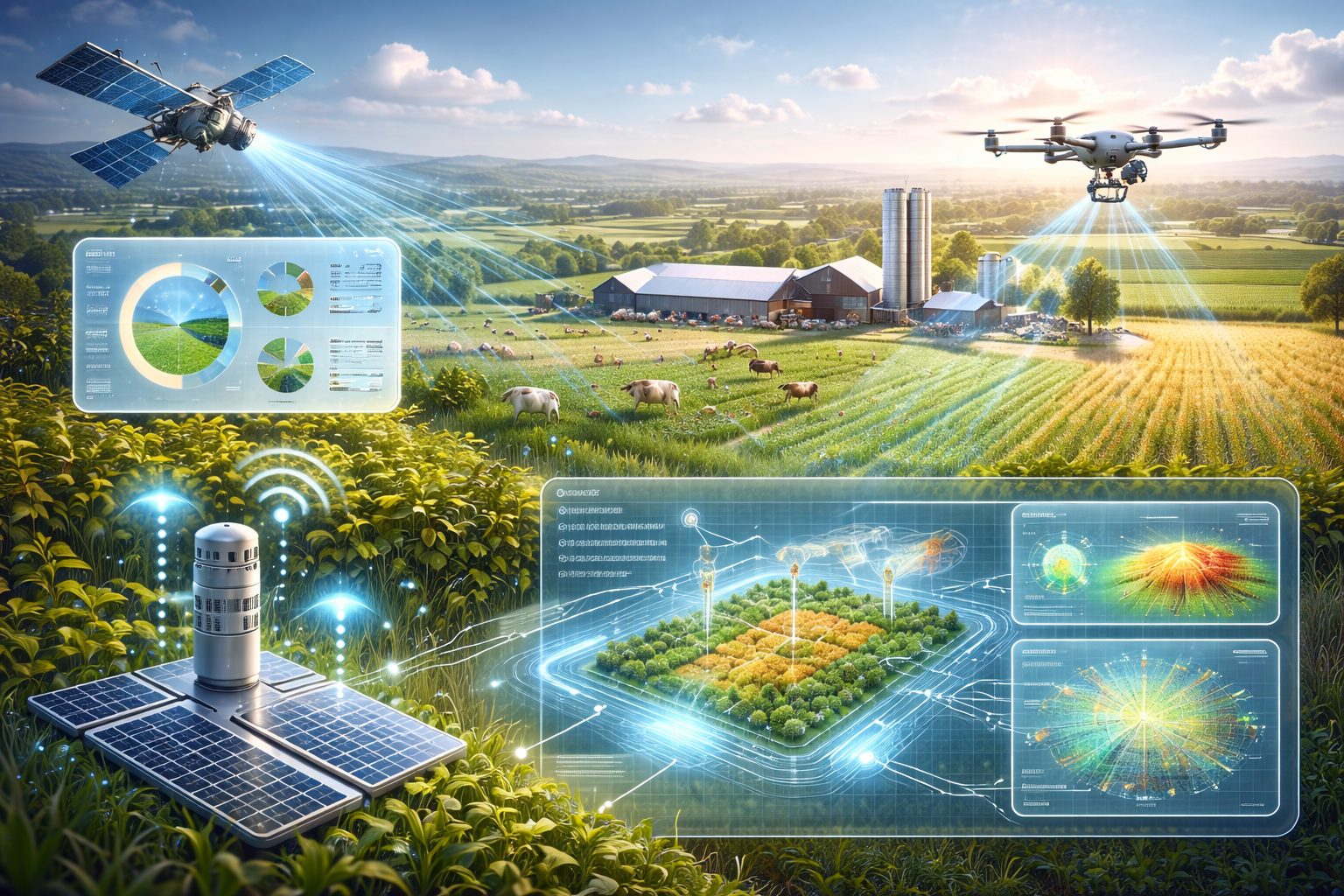
This project developed an AI-driven framework for emissions estimation and sustainability analytics by combining environmental signals with structured operational data.
The system supports automated data ingestion, modelling, and reporting, providing a scalable foundation for climate-related risk assessment, scenario analysis, and sustainability decision support.
These case studies show how predictive analytics improves inventory, telecommunications demand, and financial planning.
Predictive Analytics for Inventory Planning
Original Equipment Manufactures of electronic products often offer service warranty to customers. To maintain customer satisfaction, spare parts are required to be stocked at a sufficient level, but suppliers may stop producing certain models. It is therefore important to order one last quantity of spare parts, known as last time buy.
We built a visualisation tool that closely monitors engineering KPIs based on install base and failure data, and are developing predictive models that account for part failure, install base, stock and warranty data for forecasting last time buy quantity.
Broadband Demand Forecasting
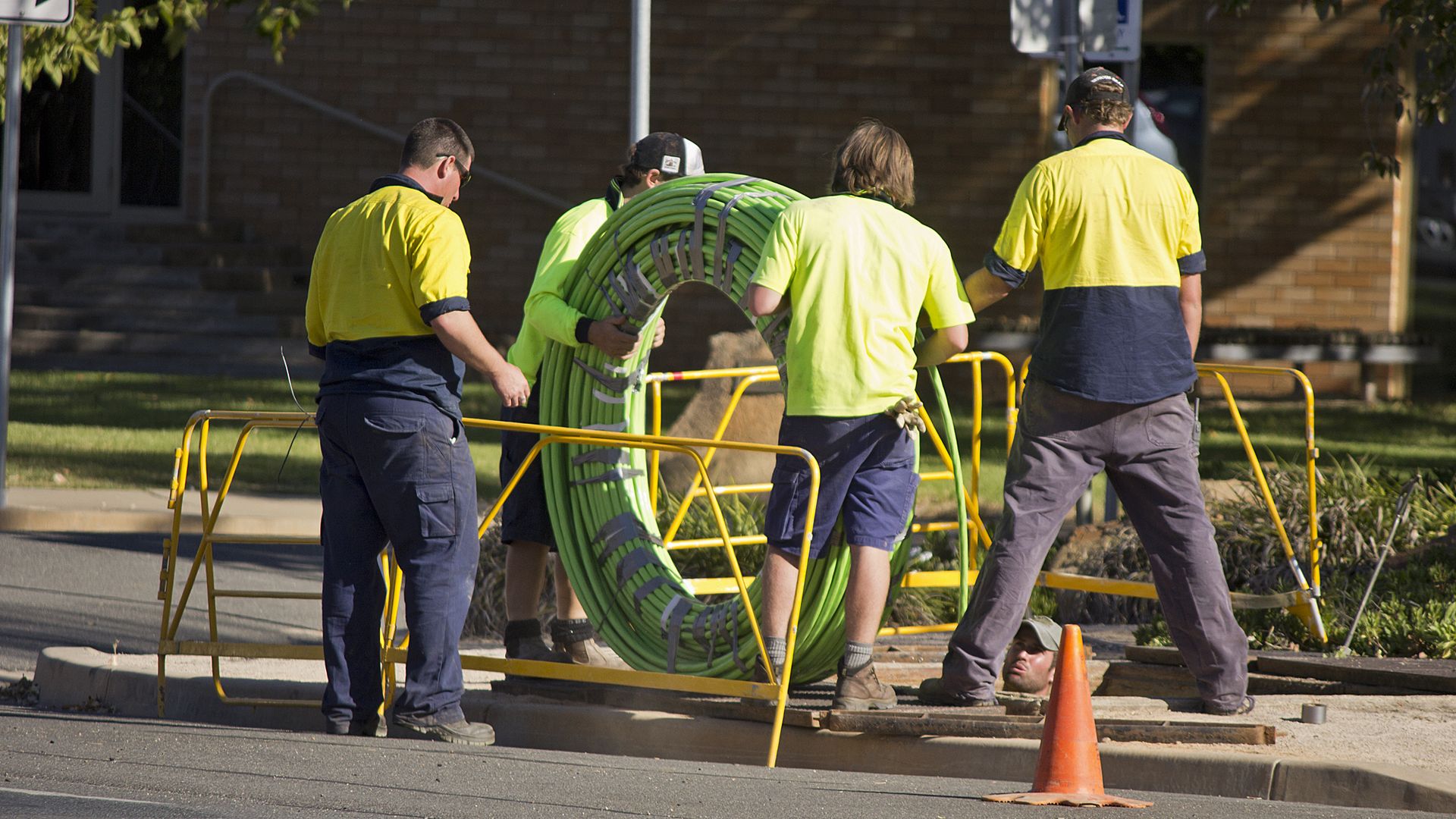
Understanding customer expectations is the key for broadband service providers. Predictions of activation demand and utility rate are challenging due to multiple interacting factors such as service types and local demographics.
Our team designed an innovative machine learning model for customer demand forecasting in fine-grained spatial and temporal dimensions. The techniques developed in this project can be applied to other customer-centered services and support better service rollout decisions.
Cash Flow Forecasting

We have developed a cash flow forecasting approach based on machine learning techniques. This approach provides an overview of a company's cash position in the short term future by forecasting transactions in the next 8 weeks based on historical patterns of cash inflows and cash outflows.
The cash flow modelling is divided into cash, transfer, and invoice/bill components. The outcomes support businesses to foresee how much cash they will have in their accounts and make informed decisions based on this information.
These projects focus on trustworthy AI for healthcare, combining predictive performance with explainability, fairness, and deployment readiness.
Medical AI: Explainability and Fairness
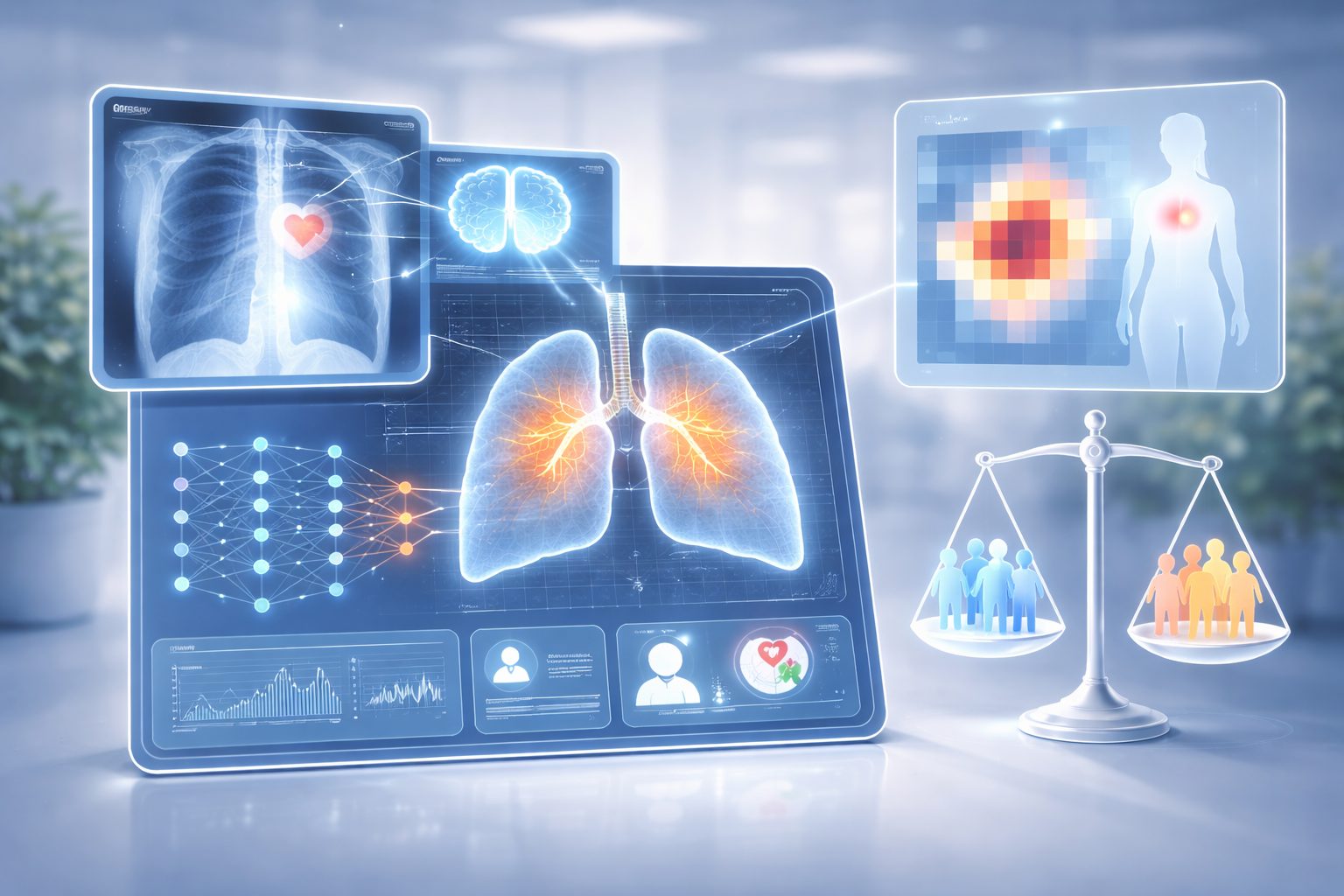
This project advanced trustworthy medical AI through explainable modelling and fairness-aware system design. It developed interpretable learning frameworks for complex healthcare data and integrated fairness considerations directly into model development and evaluation.
The work strengthens transparency, trustworthiness, and deployment readiness for AI in sensitive healthcare settings.
These projects translate sensing and AI into practical inspection and structural monitoring systems for safer assets.
Machine Learning for Track Inspection
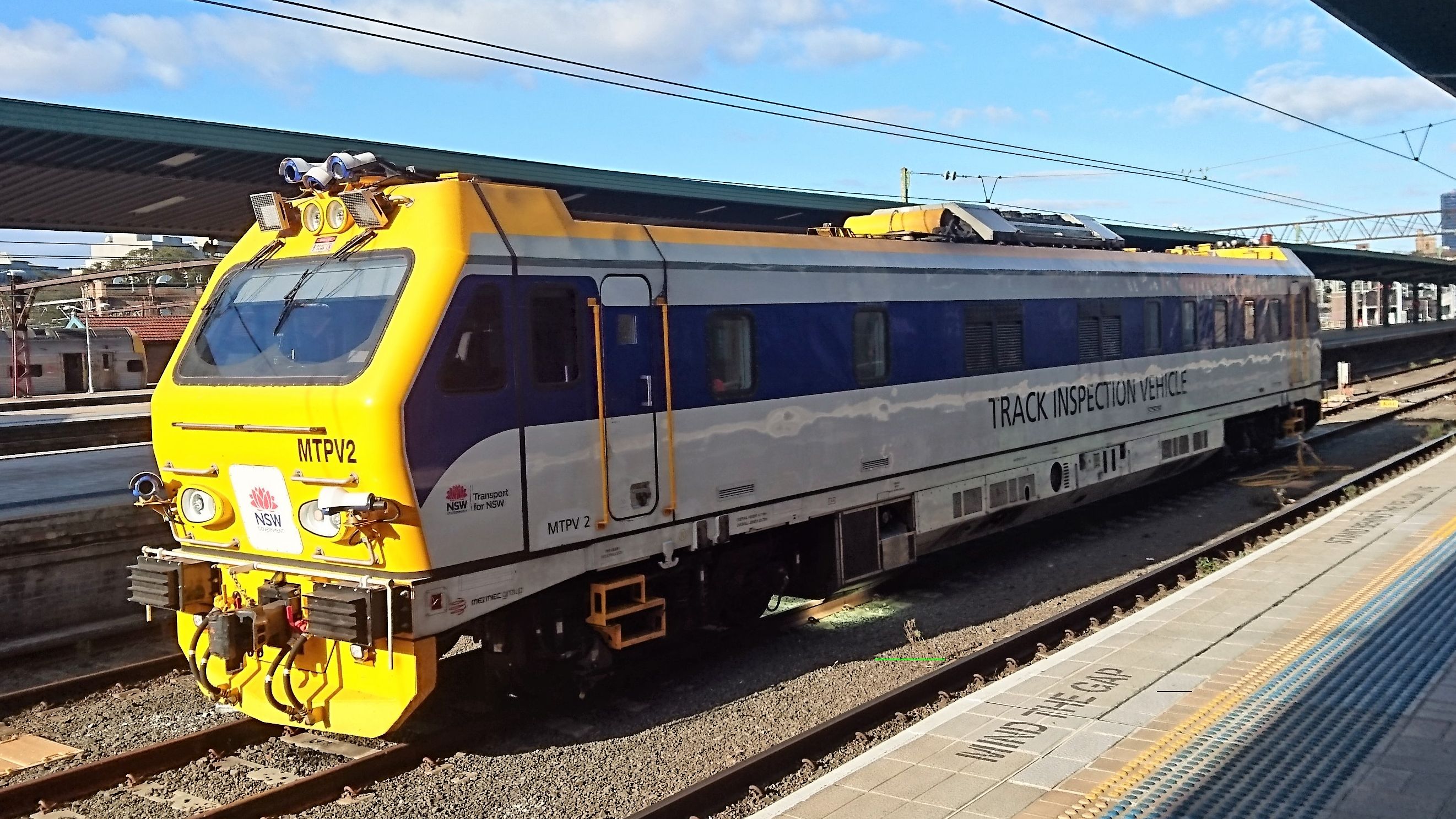
Routine inspection of rail network is essential for the safety and efficient operation of trains. Train operators usually capture tens of millions of images of tracks and surrounding environment, which are then manually reviewed by inspectors to find defects.
Our team developed deep learning models to detect regions of interests for suspicious defects. The models detect missing clips and bolts from inspection images with high accuracy and improve inspection efficiency while maintaining high standards.
Industrial AI: Multi-Task Intelligent Monitoring
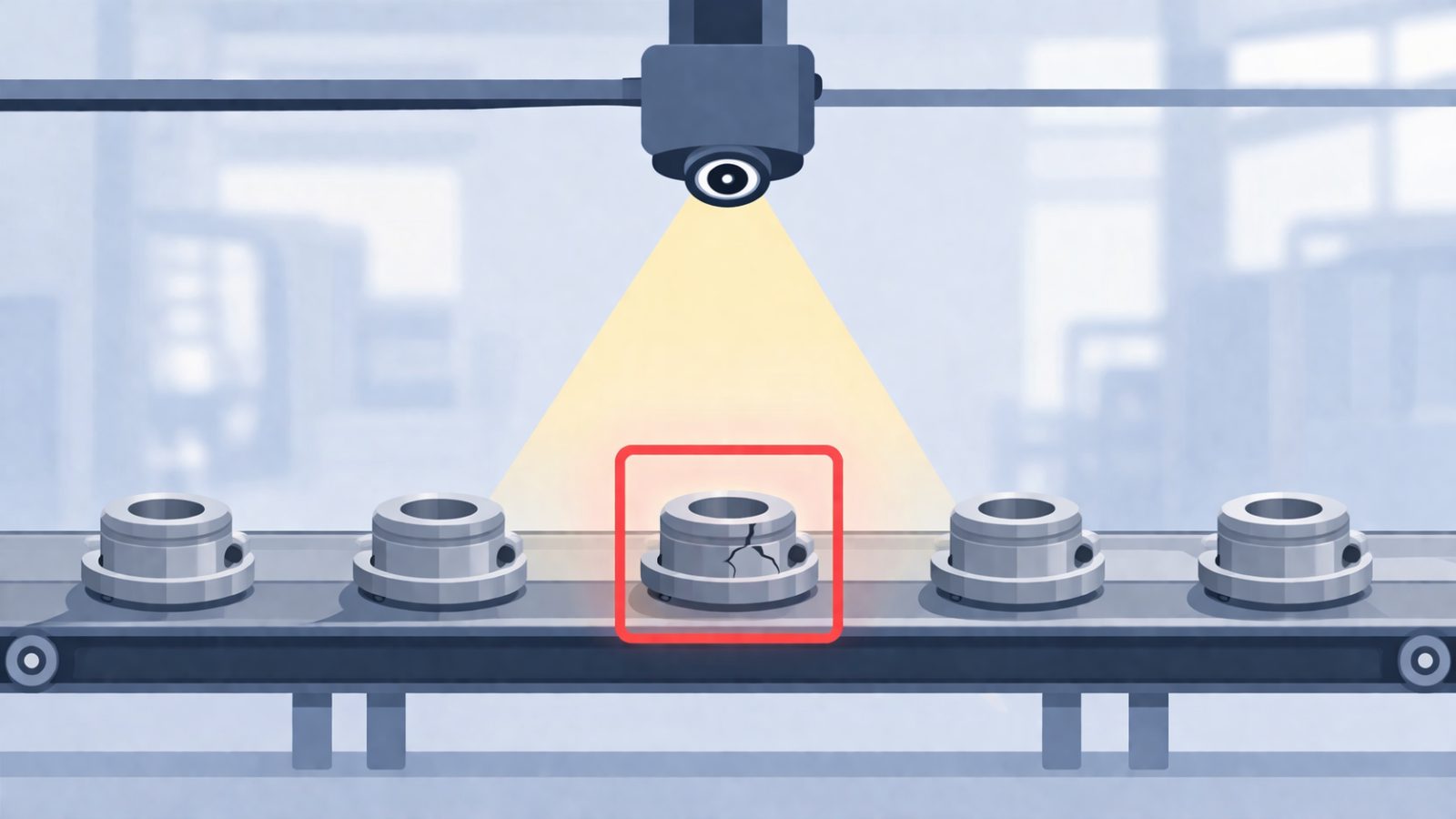
This project developed a unified multi-task framework for anomaly detection and intelligent monitoring in large-scale industrial and infrastructure systems.
By consolidating multiple detection and decision-support tasks into a single scalable architecture, the project improved efficiency, reduced redundancy, and strengthened the technical foundation for intelligent operations and asset management.
Structural Health Monitoring for the Sydney Harbour Bridge

There are approximately 800 jack arches underneath the bus lane of the Sydney Harbour Bridge. RMS required a way to continuously monitor the structural condition of each jack arch support and alert the asset manager and bridge inspector if any issue is detected.
We designed and developed a monitoring system including data acquisition, data analytics and a user dashboard to monitor each jack arch component in real time using machine learning techniques. This SHM system was awarded "The Most Practical SHM Solutions for Civil / Mechanical Systems Award" at IWSHM in 2015.